How to Connect Galvanized Pipe to PVC Underground (And What Not to Do First)
If you have ever had to connect galvanized pipe to PVC underground, you already know how frustrating old farm and property water lines can be. I had a water line running out to a barn that had broken years ago—someone just capped it off and never bothered to fix it. When I decided to dig it up and get water flowing back to the barn, I figured it would be a quick afternoon job.
Instead, it took me two tries to get it to hold. And the mistake I made on the first attempt is one of the most common traps you can fall into when tying metal pipe into plastic underground.
Here is how the job went down, why my first rigid connection cracked a week later, and the exact fix that finally sealed it up for good.
Tools & Materials Needed to Connect Galvanized Pipe to PVC Underground
- Ratcheting Pipe Threader Set (3/4″ NPT die)
- Thread Cutting Oil
- Reciprocating Saw (Sawzall) with a Metal-Cutting Blade
- 3/4-Inch PVC Compression Coupling (IPS size—make sure it is rated for Iron Pipe Size, not CTS)
- 3/4-Inch Schedule 40 PVC Pipe & Slip Coupling
- PVC Primer and Heavy-Duty PVC Cement
- Pipe Wrenches & Shovel
Step 1: Call 811 and Dig Up the Old Line
Before you ever sink a shovel into the dirt, call 811 and let them mark your utilities. Even when you think you know where an old barn line runs, there is no sense finding a buried power line or main feed the hard way.
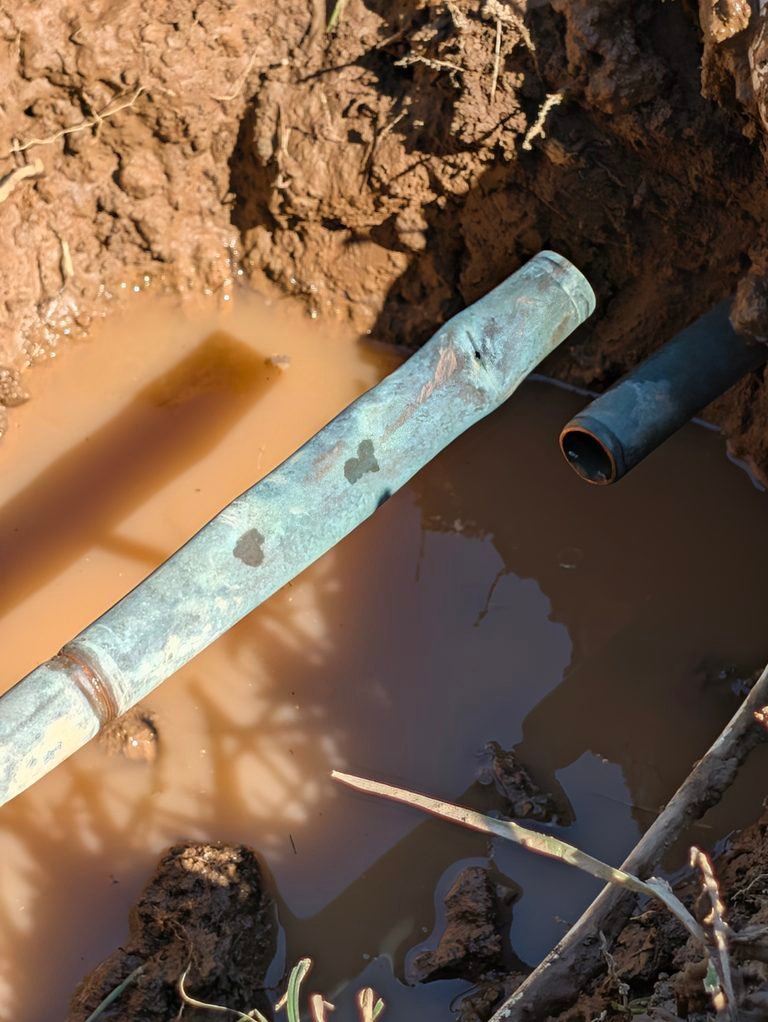
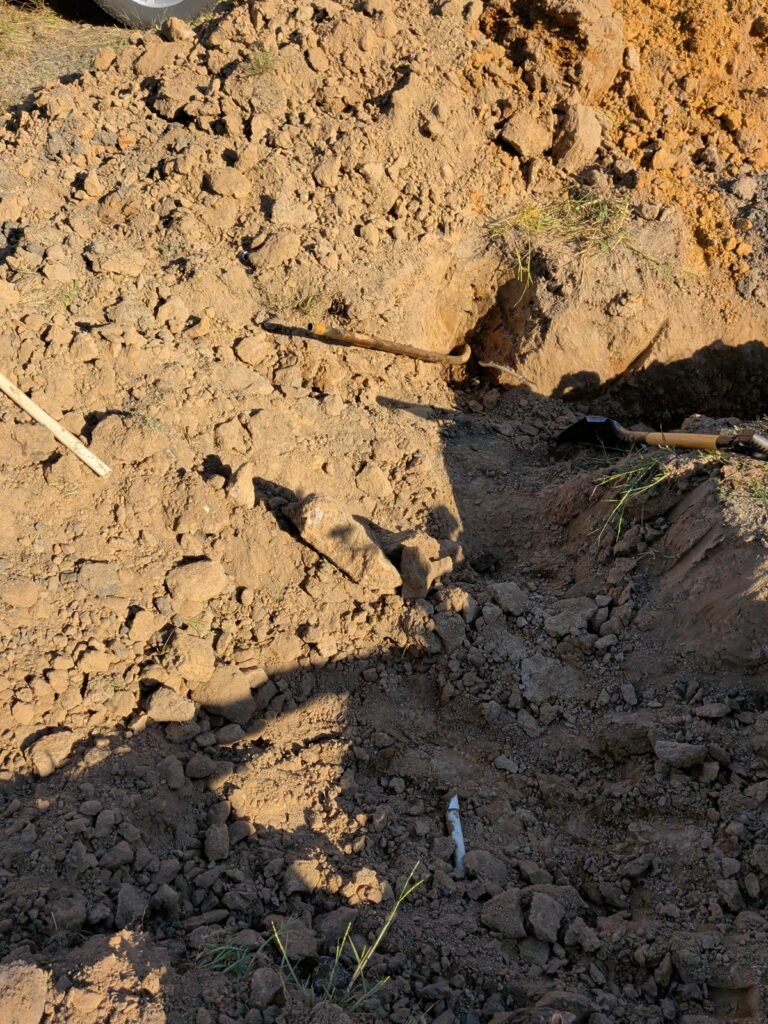
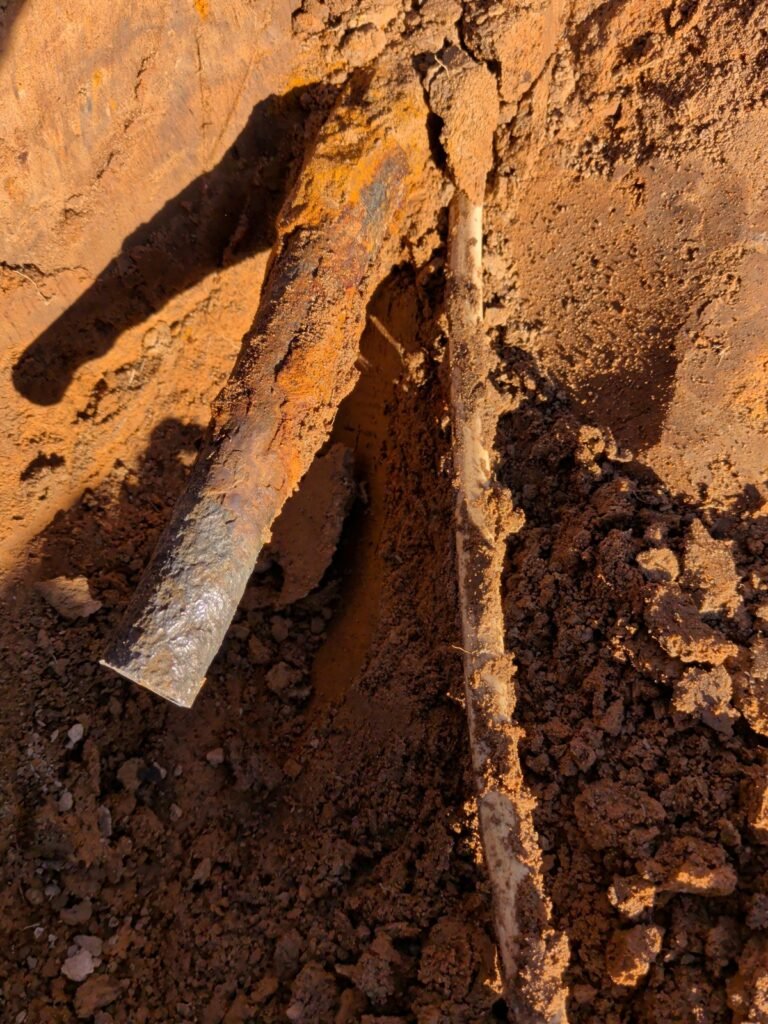
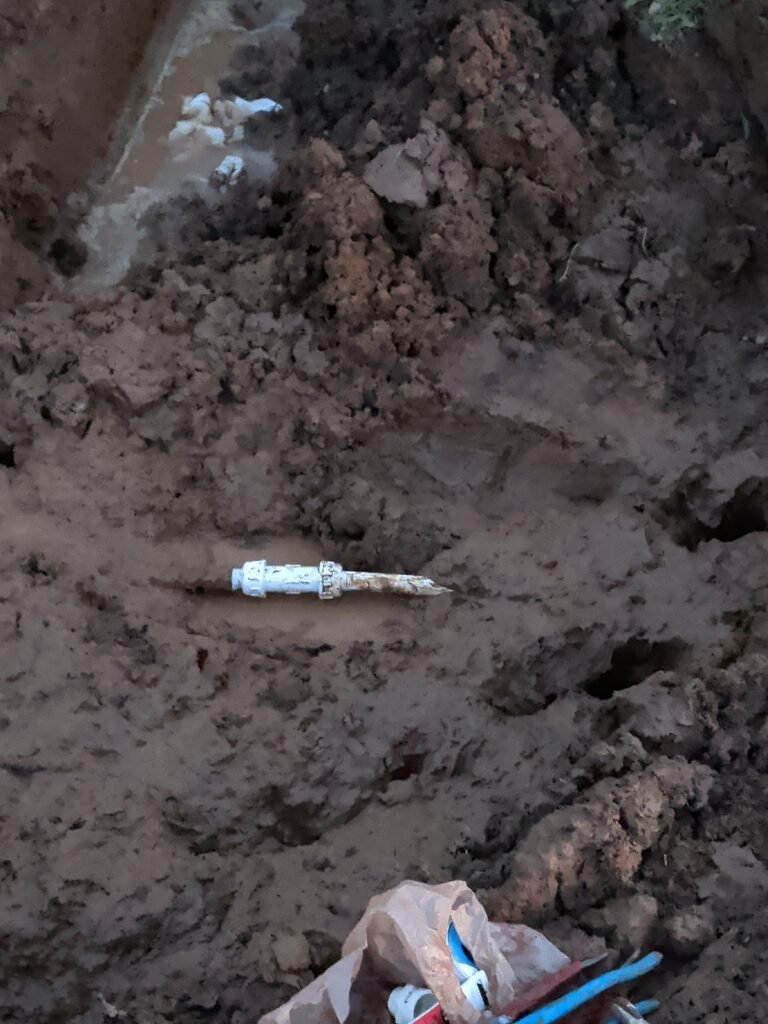
Once the ground was clear, I dug down and located the disconnected line. Sure enough, it was 3/4-inch galvanized steel pipe coming in, and at some point in the past, someone had transitioned it over to 3/4-inch PVC heading into the barn.
Step 2: Cut and Thread the 3/4″ Galvanized Pipe
Because the old galvanized end was cut off and rusted, I needed fresh threads on the steel pipe. If you only have to thread iron pipe once a year or less, there is no reason to spend a fortune on pro plumbing gear. I ran over to Harbor Freight and picked up their affordable ratcheting pipe threader set—it hits that sweet spot price-wise and rides right in my toolbox without taking up much room.
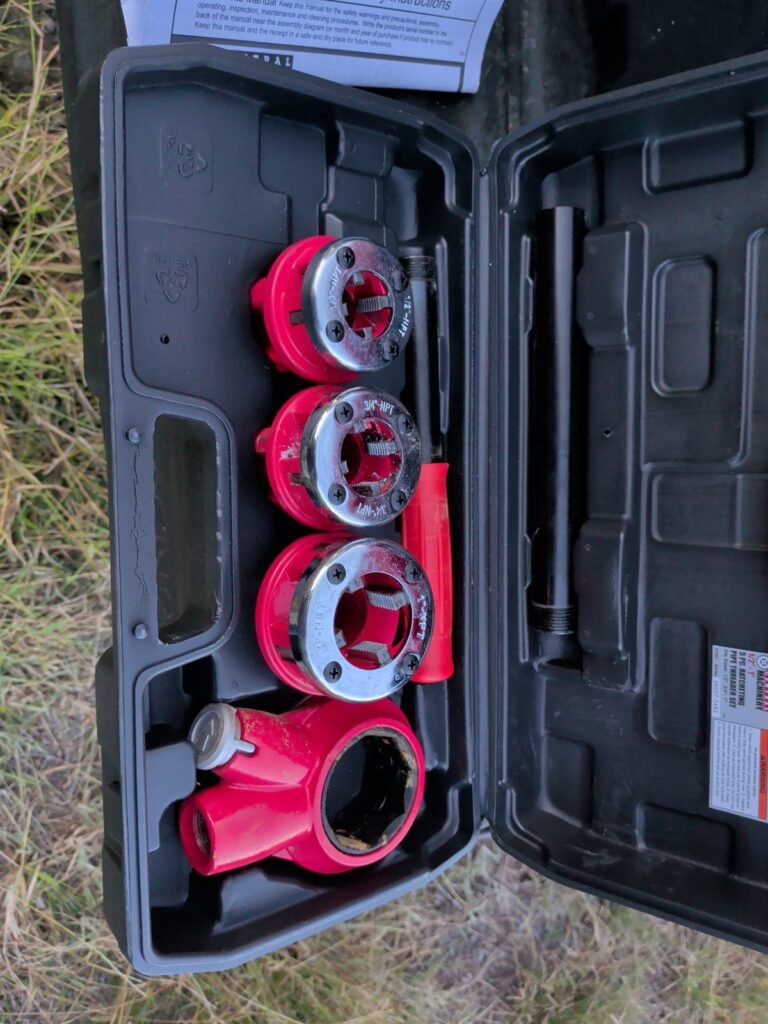
Here is how to get clean threads on old buried steel without ruining your dies:
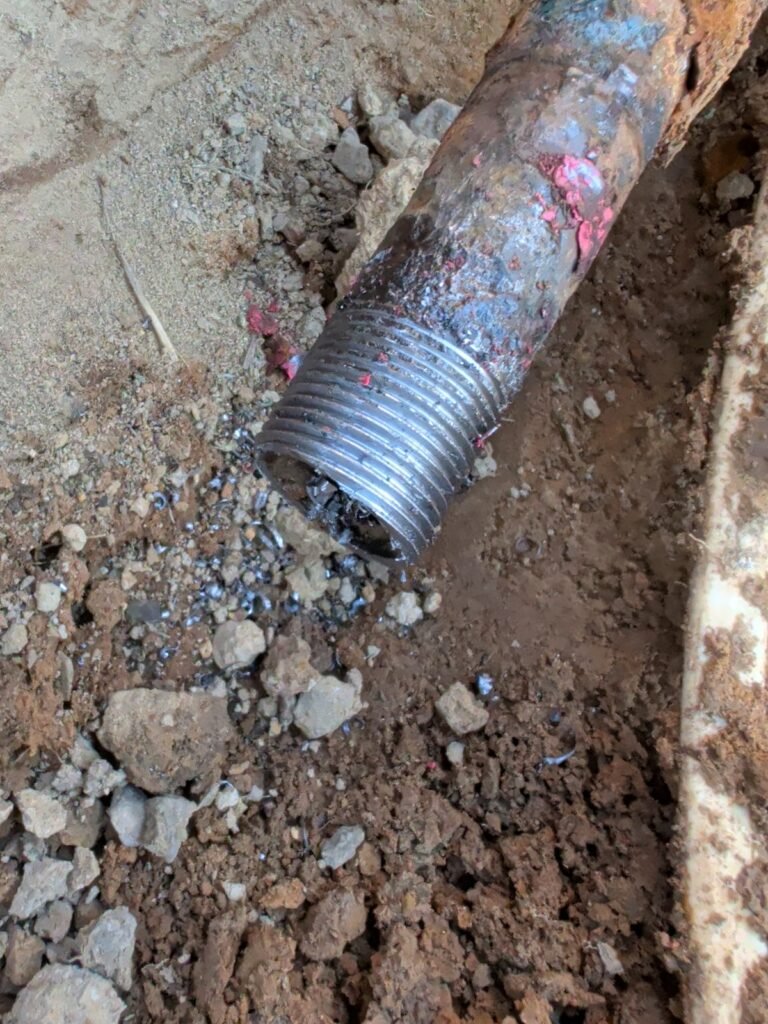
- Square off the end: I cut the old end of the galvanized pipe off with my reciprocating saw, getting as clean and square a cut as I could.
- Use plenty of cutting oil: Douse the pipe end and the threader teeth generously with cutting oil before you start cranking.
- Don’t over-thread: Keep in mind that NPT pipe threaders are tapered. Once the end of the pipe comes flush through the back of the die head, stop. If you keep cranking past the taper, you will start chewing up the teeth on your threader and stripping the new threads right off the pipe.
Attempt #1 (The Fail): Rigid Threaded PVC Adapter
On my first try, I built a rigid threaded transition—and it came back to bite me.
I wrapped the newly cut galvanized threads in Teflon tape with a little pipe dope (Teflon paste) for good measure, and threaded on a 3/4-inch galvanized coupling. Then I took a 3/4-inch male PVC adapter, wrapped those threads with tape and paste, and screwed it straight into the galvanized coupling. From there, I glued a short piece of PVC to tie into the existing barn line, packed dirt underneath to support it, buried the trench, and called it a day.
A week later, I walked out to a wet spot in the yard right over the trench.
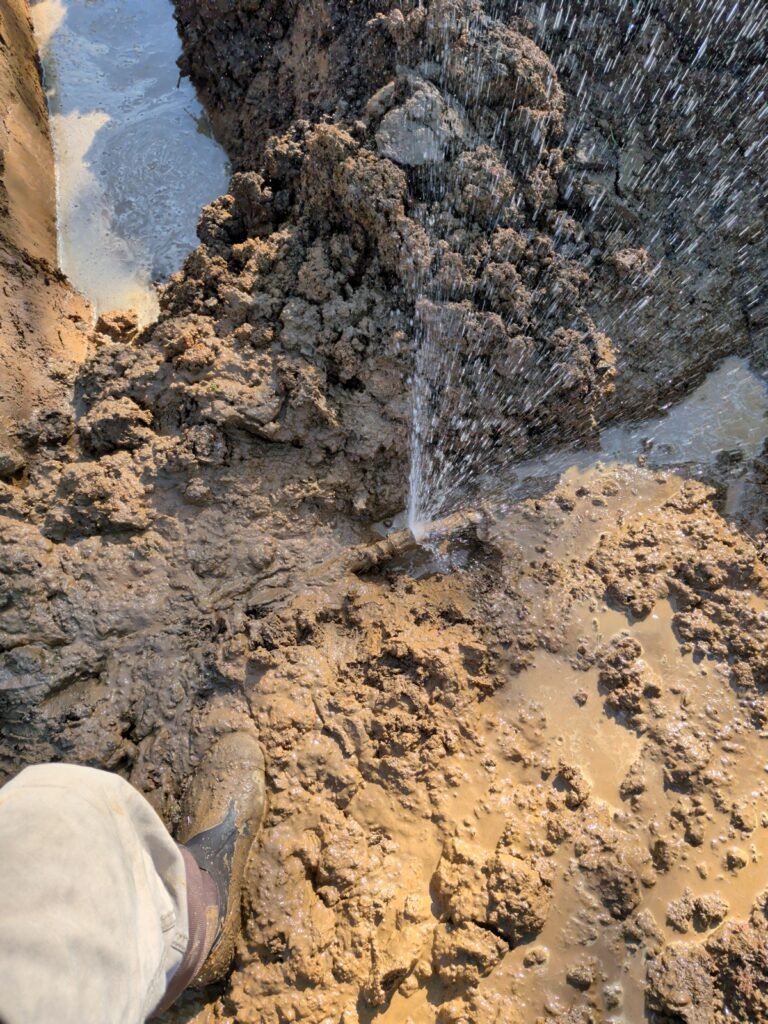
When I dug it back up, water was spraying everywhere. The 3/4-inch male PVC adapter had snapped right at the threads.
Why That First Fix Failed
Looking closely at the pipes in the trench, I spotted two problems working against me:
- Rigid stress on plastic threads: Male PVC adapters are notoriously weak right at the base of the threads—especially when screwed into a rigid metal fitting.
- Pipe angle and soil pressure: The 3/4-inch galvanized pipe was bent upward slightly in the ground, which forced the PVC pipe to bend downward slightly to meet the barn line. Even though I packed dirt underneath it, the weight of the backfill settling on top put downward pressure right on that rigid plastic joint until it snapped.
Attempt #2 (The Solid Fix): Using a 3/4″ Compression Coupling
To fix it so it would actually hold up underground, I needed a connection that could handle a slight angle mismatch and allow for a little bit of movement when the soil settles.
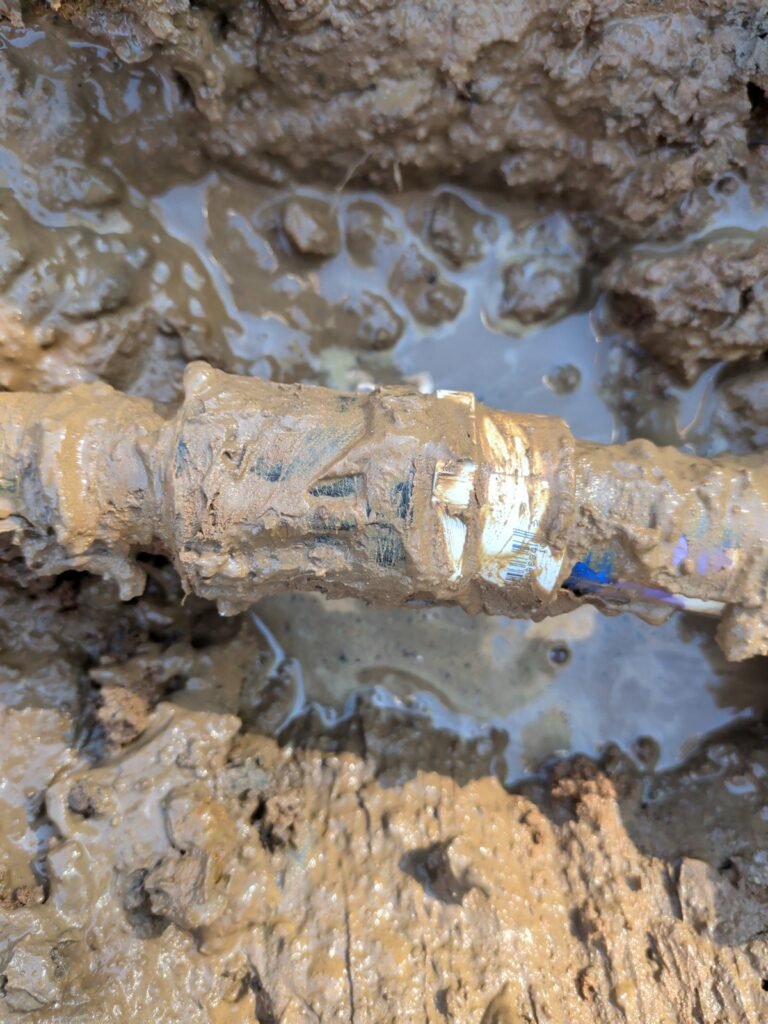
I took the galvanized coupling off the steel pipe, cut the broken male PVC adapter off the plastic line, and grabbed a 3/4-inch PVC compression coupling.
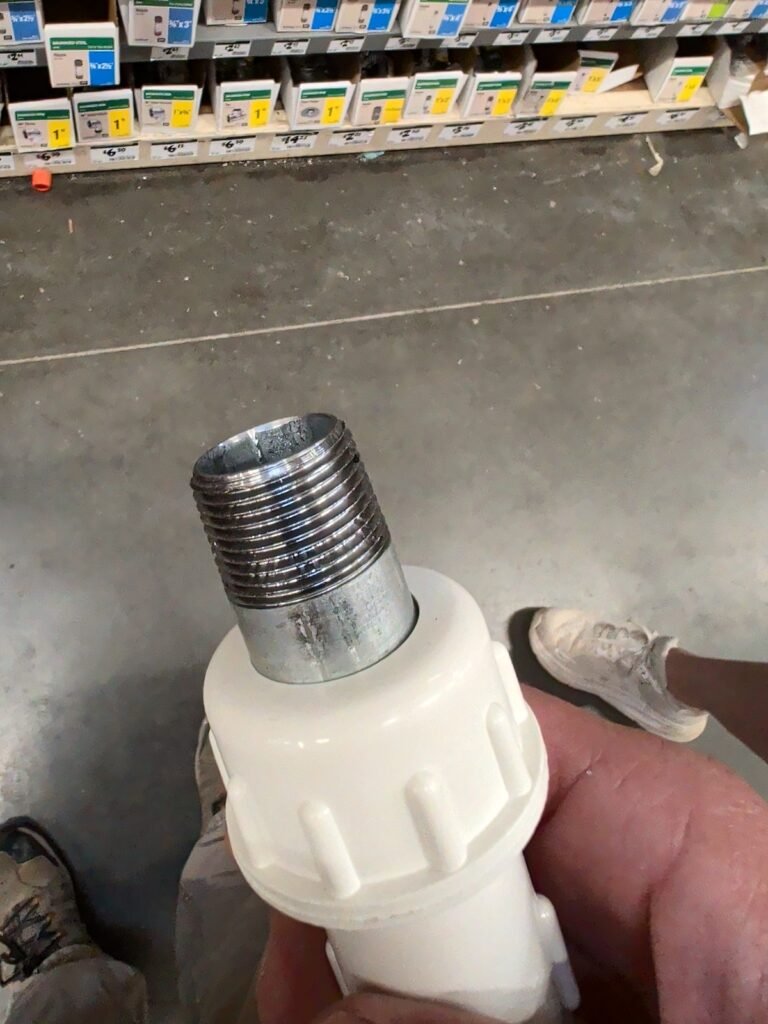
Because a compression coupling seals with heavy rubber gaskets tightened down by compression nuts on each end, it does two huge things for an underground transition:
- Zero fragile male PVC threads to shear off under pressure.
- Built-in flex and forgiveness so that slight upward angle on the galvanized pipe doesn’t put bending stress on the PVC line.
Once I slid both ends into the compression coupling, tightened the nuts down snug, and pressured the line back up, it held bone-dry.
Frequently Asked Questions About Connecting Galvanized Pipe to PVC Underground
Can you screw a male PVC adapter directly into a galvanized coupling underground?
While the threads match, it is a risky connection underground. Male PVC adapters are prone to cracking right at the root of the threads if the pipe shifts, settles, or sits at a slight angle. If you ever do use threaded transitions, a female PVC fitting over male steel threads is stronger—or better yet, use a compression coupling.
Do you have to thread galvanized pipe to use a compression coupling?
No—standard IPS (Iron Pipe Size) compression couplings seal against the smooth outside wall of the pipe using rubber gaskets, so they work on both unthreaded and threaded galvanized steel pipe as long as the outside of the pipe is cleaned free of heavy rust scale.
Why does buried soil crack rigid PVC repairs?
Freshly dug trench dirt always settles over the first few weeks after you backfill, especially after a good rain. If two pipes meet at even a slight angle, the downward weight of wet soil acts like a lever on rigid glued or threaded joints.
Need other tips and tricks on plumbing? Check out our plumbing guides.